
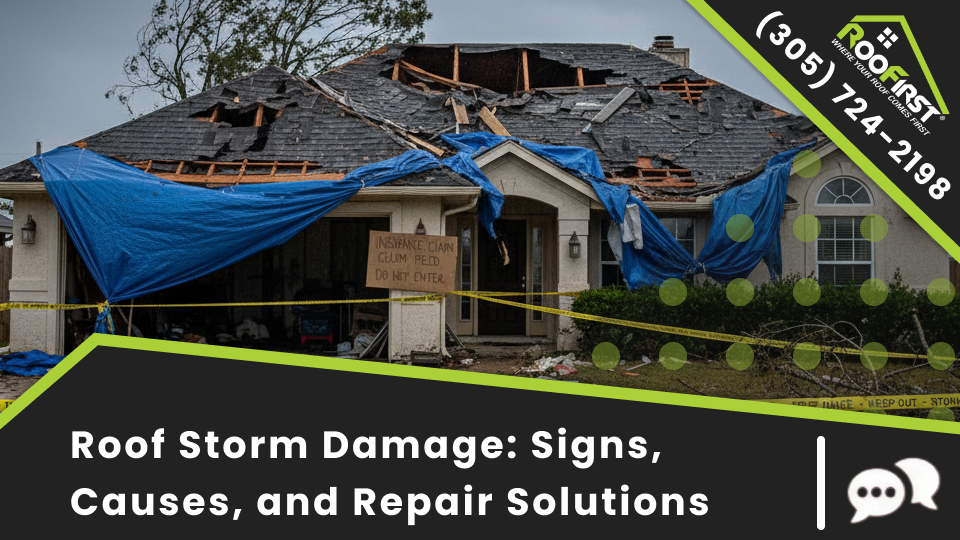
Roof storm damage threatens the safety, structure, and value of your home after every severe weather event. A storm damage roof weakens shingles, flashing, and underlayment in ways that are not always visible from the ground. Roof storm damage repair restores your roof’s protection before leaks and water damage spread inside your home. Furthermore, storm damage roof repair should happen quickly because delays lead to mold, rot, and costly structural problems. Roof wind damage tears shingles loose, lifts flashing, and exposes your roof deck to moisture. In addition, a wind damaged roof often looks intact from below while hiding serious problems underneath. Roof hail damage dents shingles, cracks tiles, and strips away the protective granule layer.
Likewise, a hail damaged roof loses its ability to repel water and deteriorates faster than normal. If your home recently experienced severe weather, search for roof storm damage near you to get a professional inspection right away.
How Storms Damage Your Roof
Severe weather attacks your roof from multiple angles at once. However, understanding the specific types of damage helps you respond quickly and effectively.
Here are the most common ways storms damage residential roofs:
- High winds that lift, crack, or tear shingles completely off the roof
- Hail that dents metal components and cracks asphalt shingles
- Flying debris that punctures or scrapes the roof surface
- Heavy rain that exploits existing weak points and drives water underneath shingles
- Fallen tree branches that crush sections of roofing material
- Rapid temperature changes that cause materials to expand and contract
Because storm damage often combines several of these factors, a single event can create multiple problems across your entire roof. Therefore, a professional inspection after every major storm is essential for catching hidden damage early.
Signs of Roof Wind Damage After a Storm
Roof wind damage is the most common type of storm damage homeowners experience. Specifically, wind lifts shingles from the edges and works its way across the roof surface. Furthermore, a wind damaged roof may show obvious signs or hide damage that only a professional can detect.
Watch for these warning signs of roof wind damage:
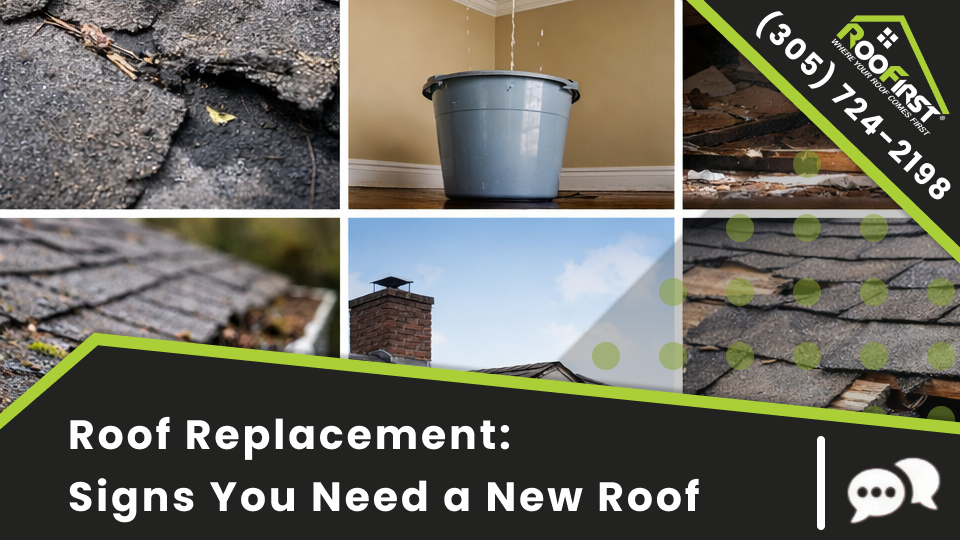
- Missing shingles or shingle pieces scattered in your yard
- Shingles that are curled, lifted, or creased along the edges
- Exposed roof deck or underlayment visible from the ground
- Damaged or displaced ridge cap shingles along the roof peak
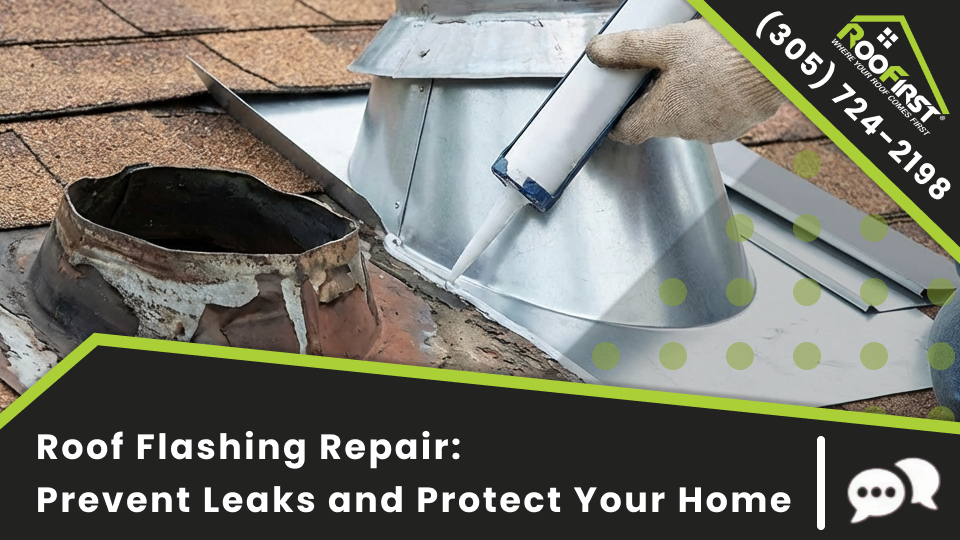
- Loose or missing flashing around chimneys, vents, and skylights
- Gutters pulled away from the fascia by strong winds
If you notice any of these signs, your roof needs immediate attention. Moreover, even shingles that appear to be in place may have broken their seal and lost their wind resistance. Consequently, the next storm will cause even more damage to an already compromised roof.
How to Identify Roof Hail Damage
Roof hail damage is harder to spot than wind damage because it often leaves subtle marks instead of obvious destruction. Specifically, hail impacts create small dents and bruises that weaken shingles over time. Furthermore, a hail damaged roof may look fine from a distance but show clear damage up close.
Here is what hail damage looks like on different roofing materials:
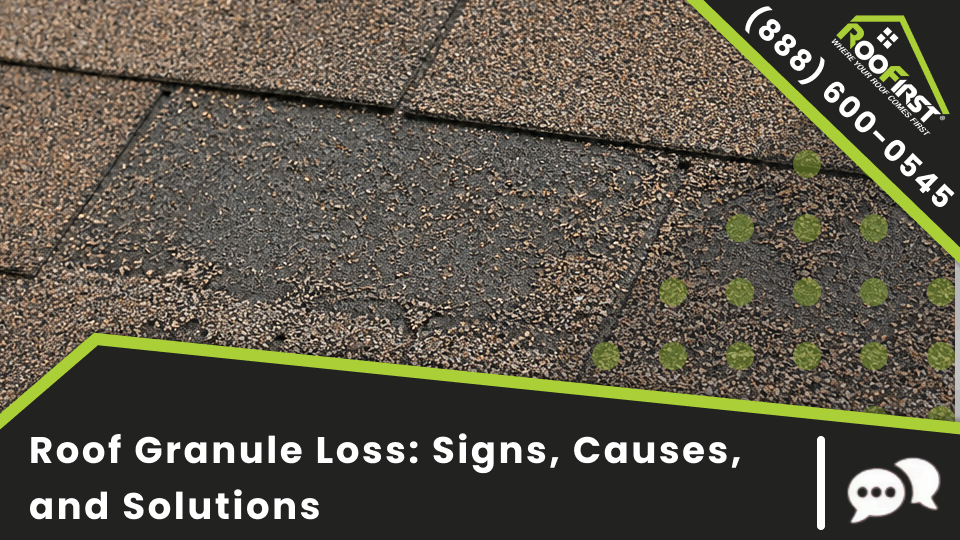
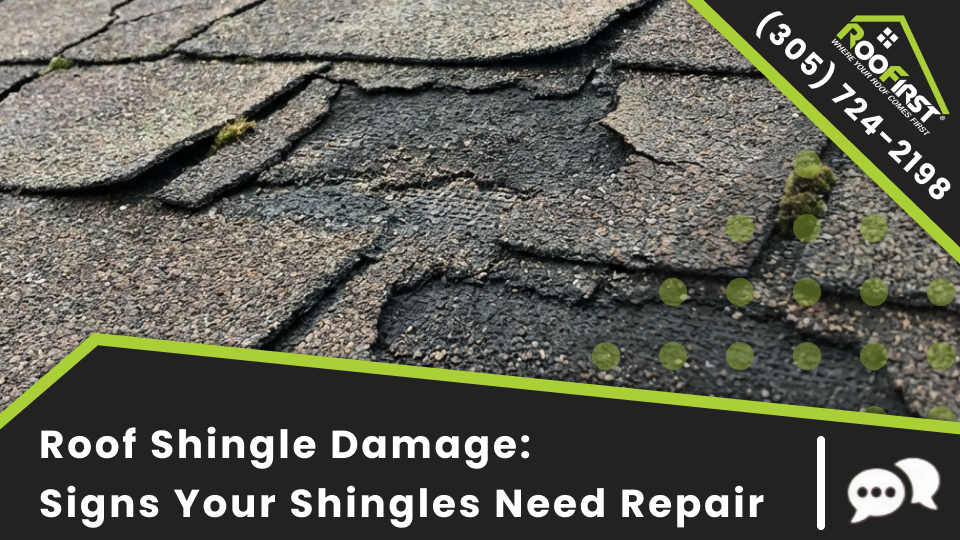
Asphalt shingles Hail creates dark spots where granules have been knocked loose. In addition, you may see soft spots or small indentations when pressing on the shingle surface. Furthermore, the exposed asphalt underneath deteriorates quickly under UV exposure.
Metal roofing Hail leaves visible dents on metal panels and flashing. However, metal roofs typically withstand hail better than asphalt. As a result, cosmetic dents rarely compromise the roof’s waterproofing ability.
Tile roofing Hail cracks clay and concrete tiles, sometimes breaking them completely. Consequently, cracked tiles allow water to penetrate directly to the underlayment. Therefore, even a single cracked tile needs prompt replacement.
Because hail damage accelerates roof aging, catching it early prevents premature roof failure. In addition, most homeowners insurance policies cover hail damage when filed promptly after the storm.
Why Roof Storm Damage Repair Should Happen Quickly
Roof storm damage repair is not something to postpone. In fact, delays of even a few weeks can turn minor damage into major problems.
Here is why fast storm damage roof repair matters:
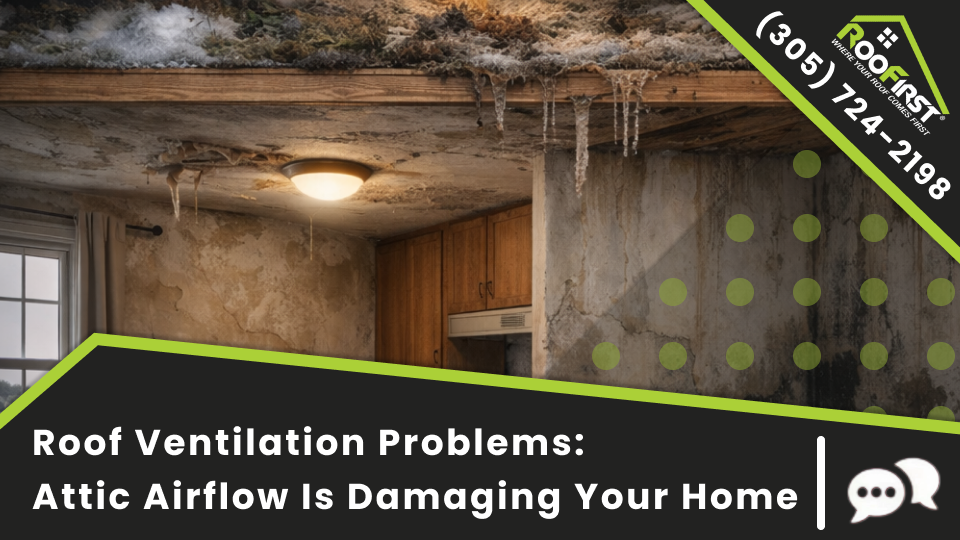
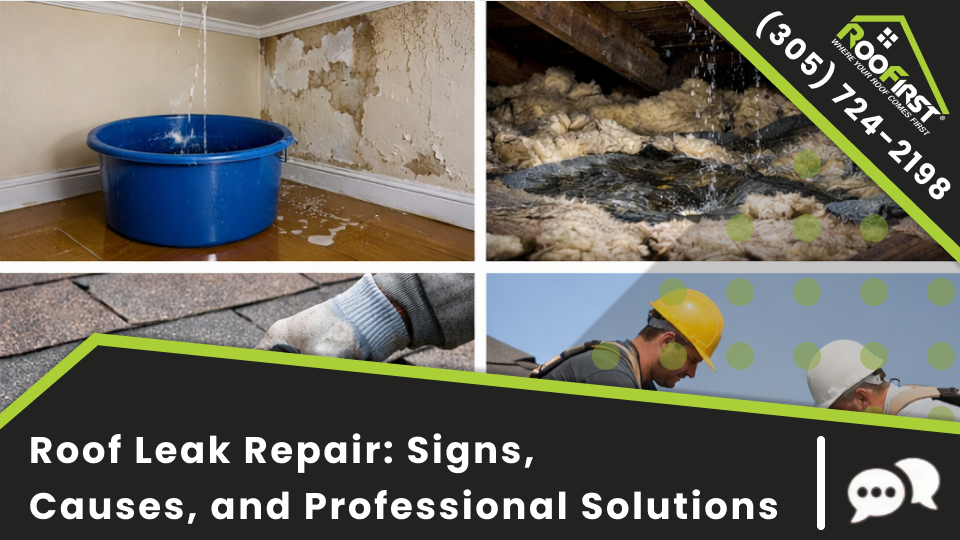
Water infiltration Every gap, crack, or missing shingle allows rainwater to enter your roof system. Consequently, water reaches your roof deck, insulation, and attic within hours of the next rainfall. Furthermore, ongoing water infiltration causes wood rot, mold growth, and ceiling damage inside your home.
Insurance claim deadlines Most insurance companies require storm damage claims within a specific timeframe. Therefore, waiting too long may result in a denied claim. In addition, having a professional inspection report strengthens your claim and ensures proper documentation.
Secondary damage costs A small storm damage repair today costs far less than the structural repairs caused by months of water exposure. Specifically, replacing a few shingles costs a fraction of replacing rotted roof decking, water-damaged insulation, or mold-infested drywall. Consequently, acting quickly protects both your home and your budget.
What to Do After a Storm Hits Your Roof
Knowing how to respond after a storm protects your home and strengthens any insurance claim. Therefore, follow these steps after every severe weather event.
Step 1: Stay safe First, do not climb on your roof to inspect damage yourself. Specifically, wet and damaged roofing materials are extremely slippery and dangerous. Instead, inspect what you can from the ground using binoculars.
Step 2: Document visible damage Next, take photos of any damage you can see from ground level. Furthermore, photograph your yard for debris like shingles, flashing pieces, or broken tiles. In addition, document any interior damage like ceiling stains or dripping water.
Step 3: Schedule a professional inspection Then, contact a licensed roofing contractor for a thorough roof storm damage inspection. Specifically, professionals use ladders and sometimes drones to examine every section of your roof safely.
Step 4: File your insurance claim After receiving the inspection report, contact your insurance company to file a claim. Furthermore, your roofing contractor can work directly with your insurer to ensure proper documentation and fair coverage.
Step 5: Complete repairs promptly Finally, schedule your roof storm damage repair as soon as the claim is approved. Moreover, many roofing companies offer emergency tarping to protect your home while waiting for full repairs.
How Professional Roof Repair Works
Professional storm damage roof repair follows a systematic process to restore your roof completely. Here is what to expect from a qualified roofing team.
Inspection and assessment First, technicians inspect every section of your roof for wind, hail, and debris damage. Furthermore, they check flashing, vents, gutters, and the roof deck for hidden problems.
Detailed repair plan Next, the team creates a written repair plan with photos and cost estimates. Specifically, this document serves as the basis for your insurance claim.
Material matching Then, technicians source replacement shingles, flashing, and other materials that match your existing roof. Consequently, repairs blend seamlessly with the surrounding roofing.
Repair execution After materials arrive, the crew completes all repairs including shingle replacement, flashing resealing, and deck patching. In addition, they address any secondary damage found during the process.
Final inspection Finally, a quality check ensures every repair meets industry standards. Furthermore, you receive documentation of all completed work for your insurance records.
How to Protect Your Roof Before Storm Season
Prevention reduces the severity of storm damage and helps your roof survive severe weather. Therefore, follow these tips before storm season arrives:
- Schedule a professional roof inspection to catch existing weak points
- Also, replace any damaged or aging shingles before storms hit
- Furthermore, trim tree branches that hang over or near your roof
- Secure loose flashing around chimneys, vents, and skylights
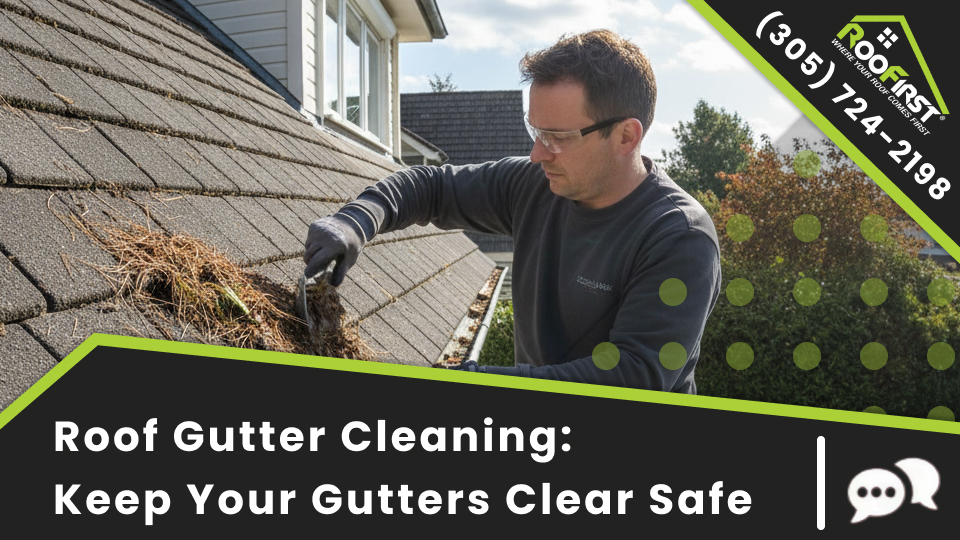
- Additionally, clean your gutters so water drains properly during heavy rain
- Finally, check your attic for signs of existing leaks or moisture problems
These steps strengthen your roof against wind, hail, and debris damage. Moreover, a well-maintained roof survives storms with far less damage than a neglected one. Consequently, preventive maintenance saves you thousands in storm damage repairs.
When to Call a Professional
Some storm damage requires immediate professional attention. Therefore, contact a roofing contractor if any of the following apply:
- You see missing shingles, exposed deck, or damaged flashing after a storm
- Water stains appear on your ceiling or walls after rainfall
- You hear dripping sounds inside your attic during or after rain
- Tree branches or large debris have landed on your roof
- Your neighbors are reporting storm damage to their roofs
- Hail larger than one inch fell in your area during the storm
A professional roof storm damage expert near you responds quickly with emergency tarping and full repair services. Specifically, they handle the inspection, insurance documentation, and complete restoration. In addition, acting fast protects your home from secondary water damage and keeps your insurance claim on track.
Do not wait for the next storm to make existing damage worse. Instead, call today to schedule your free storm damage inspection and get a professional assessment of your roof.
Phone:
Email:
Website: https://co.roofirst.com/